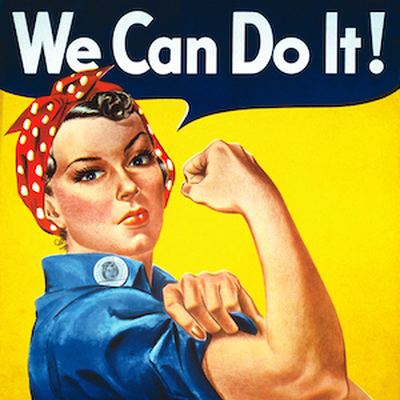
We Can Do It! Again!
The U.S. is profoundly polarized — politically, culturally, socially, and economically. That was true during the Gilded Age, too. Halfway between then and now, John F. Kennedy exhorted his fellow Americans, “Ask not what your country can do for you — but what you can do for your country.” So what happened? And how do we turn things around? From a conversation with Shaylyn Romney Garrett We Can Do It! image courtesy the National Museum of American History In The Upswing: How America Came Together a Century Ago and How We Can Do It Again, Robert Putnam and Shaylyn Romney Garrett offer...

Peace Corps Safety and Security: Looking at a Decade of Legislation for Change
Progress, failures, and what’s on the horizon: a conversation convened for Peace Corps Connect 2021 Illustration by Anna + Elena = Balbusso On September 26, 2011, as the Peace Corps community marked 50 years of Volunteers serving in communities around the world, the U.S. Senate passed the Kate Puzey Peace Corps Volunteer Protection Act, which was signed into law later that year. Three years ago, Congress completed work on the Sam Farr and Nick Castle Peace Corps Reform Act. These two pieces of legislation were designed to bring about improvements and reforms pertaining to the health, safety, and security of Volunteers. What...
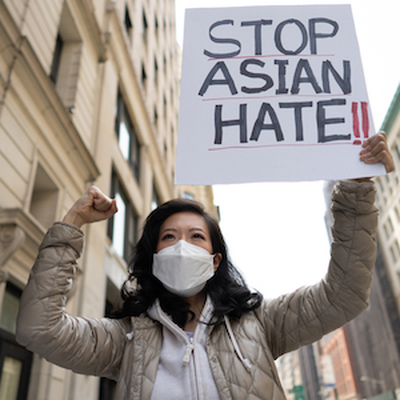
Learning History, Not Hate
Asian Americans and Pacific Islanders Leading in a Time of Adversity. A conversation convened as Part of Peace Corps Connect 2021. Image by Shutterstock Asian Americans and Pacific Islanders (AAPI) are currently the fastest-growing racial or ethnic group in the U.S., but the story of the U.S. AAPI population dates back decades — and is often overlooked. As the community faces an increase in anti-Asian hate crimes and the widening income gap between the wealthiest and poorest, their role in politics and social justice is increasingly important. The AAPI story is also complex — 22 million Asian Americans...
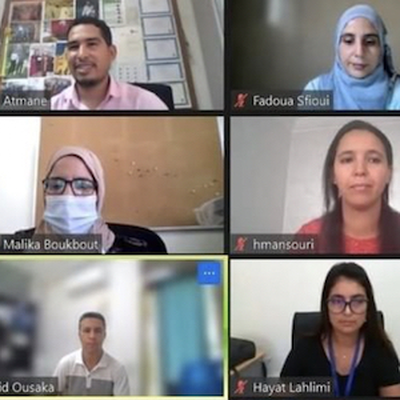
Unprecedented Anniversary: A Conversation with Acting Director of the Peace Corps Carol Spahn
No Volunteers in the field. Battling COVID-19 — and the global rollout of virtual volunteering. Remarks and Q&A with Acting Director of the Peace Corps Carol Spahn as part of Peace Corps Connect 2021. Pictured: In Morocco, partners and volunteer participants team up as part of the Virtual Service Pilot — which has fostered collaboration on projects around the world since October 2020. Photo courtesy Peace Corps Morocco. Carol Spahn has served as acting director of the Peace Corps since January 2021. She previously served as a Volunteer in Romania 1994–96 and later as country director for Malawi and...
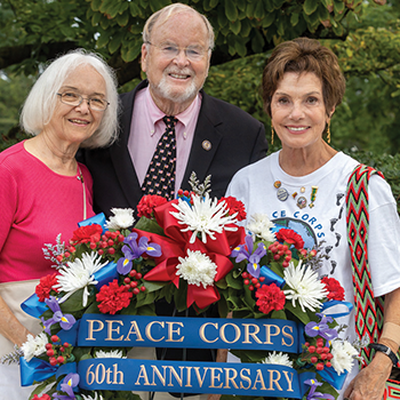
Honoring Those Who Have Served
A wreath-laying ceremony at the John F. Kennedy Memorial at Arlington National Cemetery on September 22, 2021 Photography by Eli Wittum Pictured: Honoring a legacy: Three Returned Peace Corps Volunteers who served in Colombia. From left, they are Museum of the Peace Corps Experience co-founder Patricia Wand (1963–65), former Congressman Sam Farr (1964–66), and journalist Maureen Orth (1964–66). On the afternoon of September 22, Northern Virginia Returned Peace Corps Volunteers hosted a wreath-laying ceremony at the John F. Kennedy Memorial at Arlington National Cemetery. It was an in-person event paying tribute to the idea and ideals of the...

Mark the Moment: September 22, 1961 — the Day that John F. Kennedy Signed the Peace Corps Act
When President John F. Kennedy signed the Peace Corps Act into law, it permanently established the Peace Corps as an independent agency. But forging the legislation and getting it through Congress didn’t happen on their own. We take a look at those beginnings and share some stories few have heard. And we look ahead to what the Peace Corps must become. A conversation with Bill Josephson, Bill Moyers, Joe Kennedy III, and Marieme Foote The legislation that established the Peace Corps on a permanent basis, the Peace Corps Act, was signed by President John F. Kennedy in an...
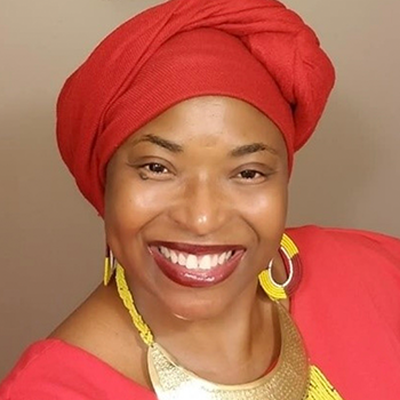
First Comes Belonging
Part of the discussion on “Building a Community of Black RPCVs: Recruitment Challenges and Opportunities” Photo courtesy Hermence Matsotsa-Cross By Hermence Matsotsa-Cross Peace Corps Volunteer in Togo 1999–2001 | Founder and CEO of Ubuntu Speaks Below are edited excerpts. Watch the full program here. My father was a Volunteer in Gabon in the early ’70s, where he met my mother, a Gabonese woman from one village he worked in. So I’m very much the product of Peace Corps. Growing up, I always heard Peace Corps stories; more important was the idea of volunteerism, how important that was, and working...
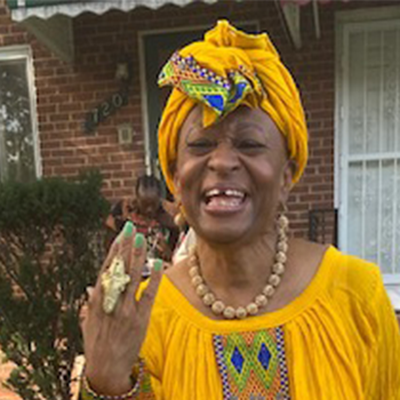
Put Together Skill, Knowledge, and Commitment with Opportunities and Support
Part of the discussion on “Building a Community of Black RPCVs: Recruitment Challenges and Opportunities” Photo courtesy Sia Barbara Kamara By Sia Barbara Kamara Peace Corps Volunteer Liberia 1963–65 | Educational Consultant I live in Washington, D.C. But I grew up in what would be considered public housing in North Carolina. I graduated from Johnson C. Smith University, a historically Black college. The Peace Corps recruiter came to campus just before graduation. I said, Yes, if I can go to Africa. I graduated with a degree in mathematics and physics, and a minor in economics. My goal...
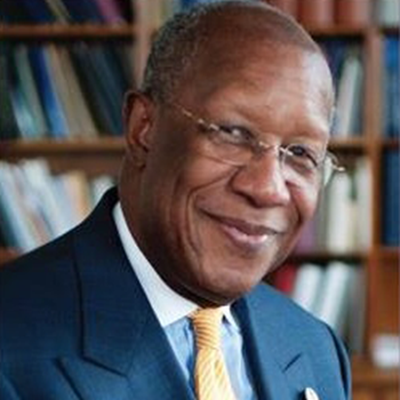
Don’t Look for Representation, Look for a Systemic Problem Solver
Part of the discussion on “Building a Community of Black RPCVs: Recruitment Challenges and Opportunities” Photo courtesy Howard Dodson By Howard Dodson Peace Corps Volunteer in Ecuador 1964–67 | Director, Howard University Libraries I wanted to join the Peace Corps the day Kennedy announced it was going to happen. I was a junior in undergraduate school — first on both sides of my family on the verge of graduating from college. I took the idea home to my parents. My father’s response was: “Let me see if I understand this. You’re going to finish a college degree, go away overseas...
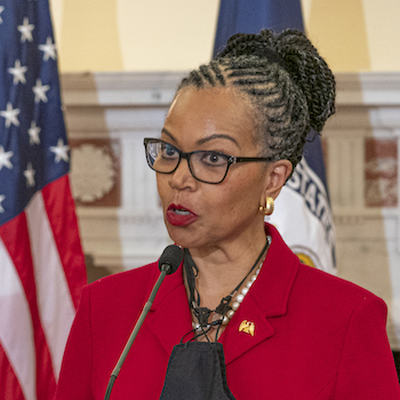
An Inclusive State Department Is a National Security Imperative
Our public service institutions, whether it’s Peace Corps or the Department of State, must do better. And your work is how we change that. Photo by Freddie Everett / State Department By Gina Abercrombie-Winstanley Chief Diversity and Inclusion Officer, U.S. Department of State I served as a Peace Corps Volunteer in Oman nearly four decades ago, and Peace Corps is where I met my husband. Like many of you, Peace Corps changed the trajectory of my life. For me and many colleagues at the Department of State, Peace Corps also launched my career in diplomacy. When I...